Skip to content
-
-
- SPICES & VEGETABLES
-
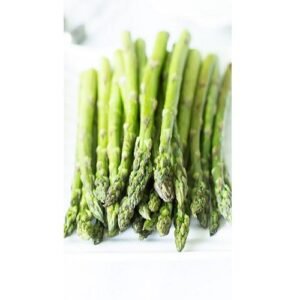
- Asparagus, Asparagus officinalis, is an herbaceous perennial plant in the family Asparagaceae which is grown for its young shoots, or spears, which are eaten as a vegetable. The asparagus plant is tall with scale like leaves emerging from the underground stem (rhizome) and has stout stems and feathery foliage.
- Add to Cart
-
-
- SPICES & VEGETABLES
-
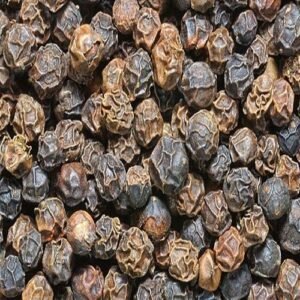
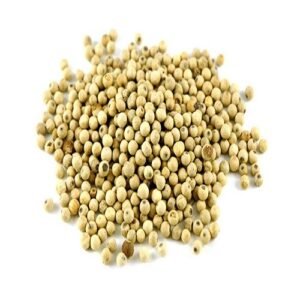
- Black pepper (Piper nigrum) is a flowering vine in the family Piperaceae, cultivated for its fruit which is usually dried and used as a spice and seasoning, known as a peppercorn. Black pepper is native to south India and is extensively cultivated there and elsewhere in tropical regions.
- Add to Cart
-
-
- SPICES & VEGETABLES
-
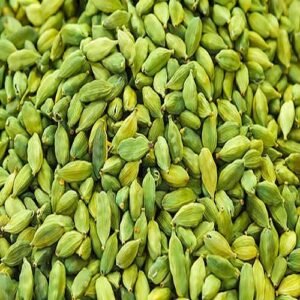
- In the culinary arts, cardamom is a spice made from the seed pods of various plants in the ginger family. Cardamom has a strong, pungent flavor and aroma, with hints of lemon, mint, and smoke. Cardamom pods contain a number of seeds, but the entire cardamom pod can be used whole or ground.
- Add to Cart
-
-
- SPICES & VEGETABLES
-
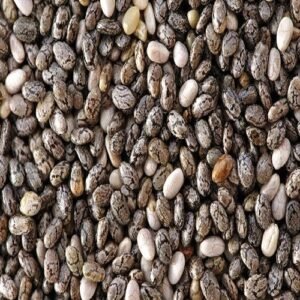
- Chia is an edible seed that comes from the desert plant Salvia hispanica, grown in Mexico dating back to Mayan and Aztec cultures. “Chia” means strength, and folklore has it that these cultures used the tiny black and white seeds as an energy booster.
- Add to Cart
-
-
- SPICES & VEGETABLES
-
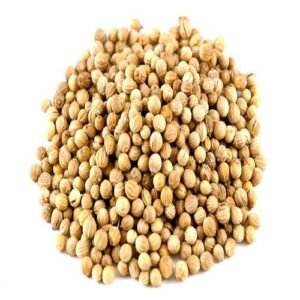
- Coriander, Coriandrum sativum, is an erect annual herb in the family Apiaceae. The leaves of the plant are variable in shape, broadly lobed at the base of the plant, and slender and feathery higher on the flowering stems. It is a soft, hairless plant.
- Add to Cart
-
-
- SPICES & VEGETABLES
-
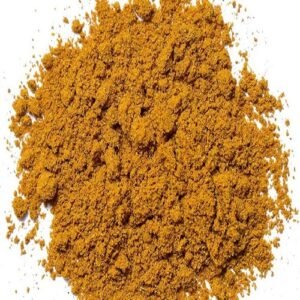
- A blend of strongly flavored spices popular in Eastern Indian cooking that are ground into a finely powdered substance. A basic curry powder blend may consist of an assortment of spices such as cinnamon, cumin, chiles, cloves, ginger, turmeric, coriander, and pepper.
- Add to Cart
-
-
- SPICES & VEGETABLES
-
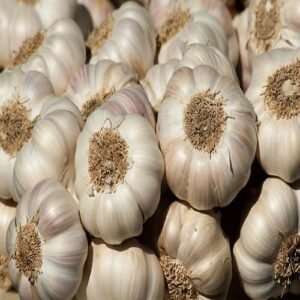
- Garlic, Allium sativum, is a an herbaceous, annual, bulbous plant in the family Amaryllidaceae grown for its pungent, edible bulb of the same name. The bulb can be up to 7 cm (2.8 in) in diameter and is made up of 115 cloves.
- Add to Cart
-
-
- SPICES & VEGETABLES
-
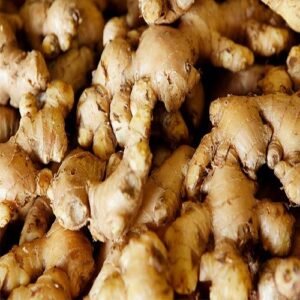
- Ginger (Zingiber officinale) is a flowering plant whose rhizome, ginger root or simply ginger, is widely used as a spice or a folk medicine. It is a herbaceous perennial which grows annual pseudostems (false stems made of the rolled bases of leaves) about a meter tall bearing narrow leaf blades.
- Add to Cart
-
-
- SPICES & VEGETABLES
-
- The delicately flavored almond is available freshest in mid-summer, although packaged almonds are available year round. The almond known as nut is technically the seed of the fruit. It is consumed Raw and other times consumed toasted. It also has wide culinary uses.
- Add to Cart
-
-
- SPICES & VEGETABLES
-
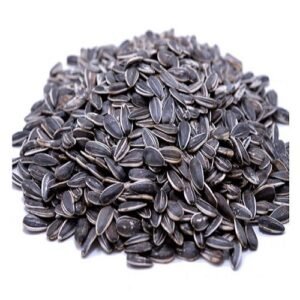
- The sunflower seed is the fruit of the sunflower (Helianthus annuus). The term “sunflower seed” is actually a misnomer when applied to the seed in its pericarp (hull). Botanically speaking, it is a cypsela. When dehulled, the edible remainder is called the sunflower kernel or heart.
- Add to Cart
-
-
- SPICES & VEGETABLES
-
- The delicately flavored almond is available freshest in mid-summer, although packaged almonds are available year round. The almond known as nut is technically the seed of the fruit. It is consumed Raw and other times consumed toasted. It also has wide culinary uses.
- Add to Cart